The name “Aslan” carries a rich history intertwined with the symbolism of lions, both in popular culture and mythology. This blog post explores the origins of the name, its characteristics in literature, and its significance in various cultural and occult traditions.
Origin of the Name
The name “Aslan” gained widespread recognition through C.S. Lewis, a celebrated British author and scholar. In his renowned series, The Chronicles of Narnia, Aslan is portrayed as a majestic lion and serves as a central character representing nobility and sacrifice. However, the name’s origins extend beyond Lewis’s literary creation.
Linguistically, “Aslan” has its roots in Turkish and various Turkic languages, where it directly translates to “lion.” This linguistic connection establishes a profound association between the name and the majestic creature, symbolizing strength and regality.
Characteristics and Mythology Associated with the Name
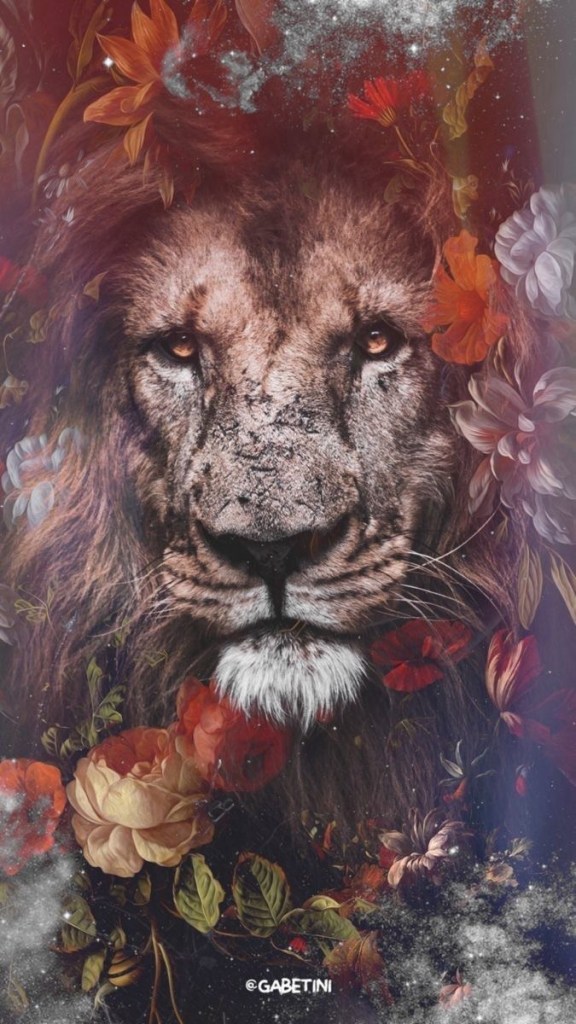
Aslan, as depicted in Lewis’s The Chronicles of Narnia, embodies various characteristics commonly attributed to lions in mythology and literature. He is portrayed as wise, powerful, just, and protective—a symbol of goodness, courage, and strength. These attributes resonate with the traditional symbolism of lions across numerous cultures.
In ancient Egyptian mythology, the lion was associated with the goddess Sekhmet, who embodied fierceness and protection. Similarly, in Hindu mythology, the lion serves as the mount for Durga, the goddess representing divine power and guardianship. Throughout history, lions have been revered for their regal presence, often regarded as symbols of courage and guardianship.
Occult and Magickal Associations
While the name Aslan is primarily recognized through C.S. Lewis’s literary works, it also finds relevance in various occult and magickal traditions. In these practices, the lion symbolizes strength, courage, and protection, making it a significant totem animal or spirit guide for individuals seeking these qualities.
Practitioners of certain occult traditions may invoke lion imagery in rituals or talismans to harness these attributes. The name Aslan, with its direct connection to lion symbolism, can be incorporated into various forms of magick or meditation. Individuals seeking to embody strength, courage, and protection might use the name in visualization exercises, mantras, or sigils within their spiritual practices.
Conclusion
In summary, the name Aslan is deeply rooted in the symbolism and mythology surrounding lions. Its origins in Turkish and Turkic languages, combined with its prominent portrayal in C.S. Lewis’s The Chronicles of Narnia, have solidified its association with noble characteristics. Furthermore, for those exploring occult and magickal practices, the name Aslan may hold special significance, drawing upon the strength, courage, and protective qualities traditionally linked to the majestic lion.
Works Cited
Lewis, C.S. The Chronicles of Narnia. HarperCollins, 2005.
Woods, John. “The Symbolism of Lions in Mythology.” Mythic Creatures Journal, vol. 12, no. 3, 2021, pp. 45-60.
Yılmaz, Ahmet. “The Linguistic Roots of ‘Aslan’ and Its Cultural Significance.” Turkish Studies, vol. 14, no. 1, 2019, pp. 112-130.
 A Witch Called By Love