There are moments in every spiritual community when we are forced to confront an uncomfortable truth: not all harm comes from outsiders. Sometimes it is Priesthood itself that turns sharp, ugly, and cruel toward its own people.
This is one of the most painful wounds a community can endure, not because disagreement exists, but because those entrusted with sacred responsibility forget what that responsibility requires.
At the root of these moments, we often find ego and hubris. Titles become armor. Authority becomes identity. The quiet vocation of service is replaced with the hunger to be right, to be seen, or to diminish another in order to feel secure. When Priesthood forgets that it kneels before Mystery before it ever stands before people, it begins to rot from the inside.
Michelle Obama once said, “When they go low, we go high.”
This is not a call to silence or submission. It is a call to dignity.
In our communities, “going low” often takes the form of bullying disguised as discernment, slander reframed as concern, and outright lies spread under the banner of retaliation or revenge. Sometimes it even arrives as mockery: memes, jokes, or public barbs meant to belittle rather than correct. Humor, when wielded without compassion, becomes another instrument of harm.
Anger, when left untended, does not remain private. It seeks release. It abuses, emotionally, spiritually, and socially, until someone else is made to carry the weight of what the angry refuse to face within themselves. When this comes from Priesthood, the damage cuts deeper, because power multiplies impact.
Witches, painfully, are often the first to set another Witch ablaze. Jealousy over lineage, visibility, students, or voice. Envy masquerading as guardianship. Fear that someone else’s way of walking the path threatens the stability of one’s own footing. Rather than tending their own fire, some choose to scorch another’s altar.
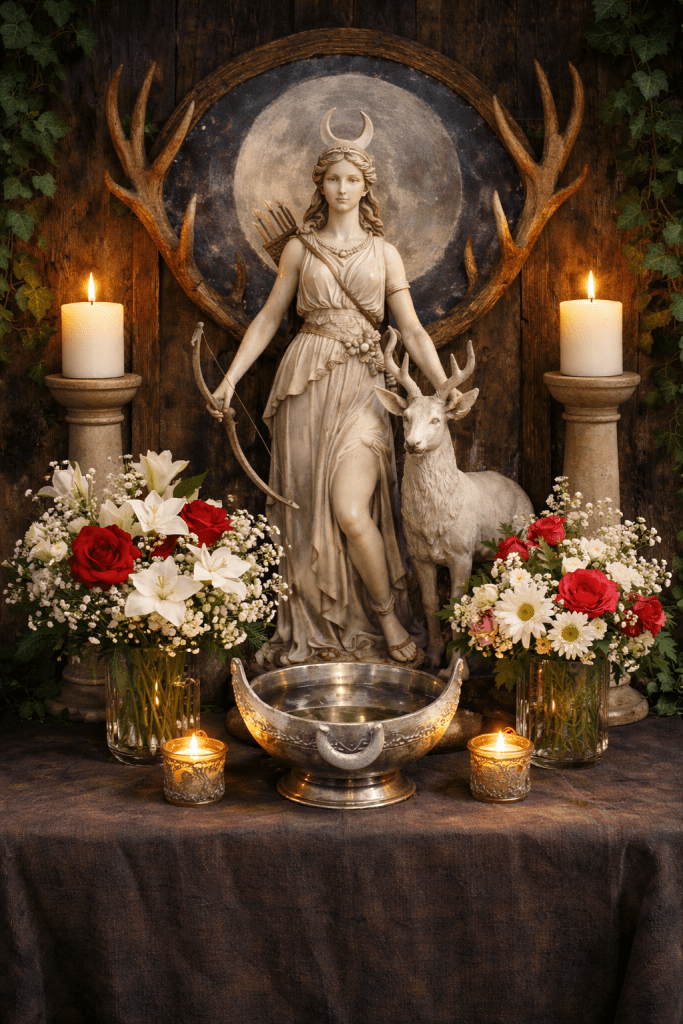
And sometimes, in the midst of this, we are mocked not for wrongdoing, but for not performing to someone else’s expectation. For not bringing the right offering, not speaking the right language, not playing the role someone else assigned us. As though Priesthood were measured by whether one arrived with flowers in hand, rather than by how one treats the people standing before them.
But difference is not desecration.
Just because someone practices differently, interprets Mystery through another lens, or carries their devotion with a different temperament does not make their work wrong. The Craft has never been sustained by sameness. To confuse conformity with tradition is to misunderstand both.
One of the greatest dangers within spiritual leadership is right-fighting, the belief that being “correct” grants permission to be cruel. History shows us, again and again, the wreckage left behind by those who believed righteousness excused harm. Right-fighting fractures communities, drives seekers away, and teaches people to fear Priesthood instead of trusting it.
The virtues that uphold true Priesthood are not flashy or performative. They are ancient, demanding, and often inconvenient: beauty, compassion, honor, and humility.
Beauty asks us to act in ways worthy of the Gods we claim to serve.
Compassion reminds us that disagreement does not erase humanity.
Honor binds us to integrity even when anger tempts us toward spectacle.
Humility teaches us that none of us owns Mystery.
If you have been wounded by spiritual bullying, public ridicule, or abuse, especially at the hands of those who should have known better, know this: your worth is not diminished by someone else’s bitterness. Your devotion is not invalidated by mockery. You are not unseen, and you are not alone.
And to those who hold Priesthood: remember who you serve.
The Gods of the Wica are older than our egos, broader than our grudges, and far more concerned with how we treat one another than with who brought flowers to the altar. They do not require us to tear down their people in order to prove our devotion.
They ask us to rise.
And their people deserve nothing less.
 A Witch Called By Love