


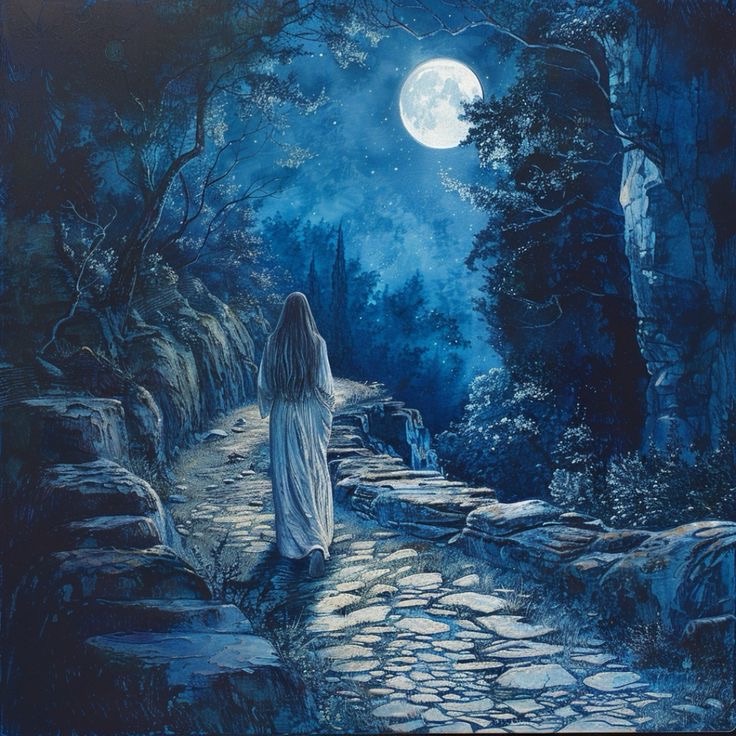
“The path of the Priest and Priestess is not an easy one. It is a path of service, of self-discipline, and of responsibility. It requires inner strength, self-awareness, and the willingness to confront one’s own shadows as well as to guide others through theirs.”
—Vivianne Crowley
Leadership carries immense responsibility, but no leader can bear the weight of an entire vision alone. Placed on pedestals, leaders are expected to be unwavering, yet these unrealistic expectations eventually crack the foundation beneath them, exposing the burdens that were always there. When the pedestal collapses, it is not failure that remains, but the truth: leadership is not about perfection. It is about resilience, adaptation, and the courage to stand even when the illusion of invincibility fades.
In both the mundane world and the Priesthood of the Wica, leaders are seen as pillars of strength, expected to endure without faltering. But even the most steadfast grow weary. When the burden becomes too great, the cracks begin to show, not as weakness, but as evidence of the weight carried for too long.
A High Priestess is a guide, a steady hand in the dark, a beacon for those seeking the mysteries. But what happens when that hand begins to tremble? Leadership, especially in spiritual practice, comes with personal and communal pressures. As Thea Sabin wisely wrote, “A Witch who cannot heal herself has no business healing others.” True leadership is not about being untouchable it is about recognizing when to pause, seek support, and take time to heal.
The unraveling does not happen overnight. It begins as small fractures, unmet needs, silent disappointments, personal struggles pushed aside. The weight of expectation presses down, and instead of finding balance, the leader retreats. Isolation becomes easier than vulnerability, avoidance simpler than accountability.
Then, the flood comes. Grief, external pressures, and unchecked emotions spill over into the sacred space. The sanctuary, once a place of strength, becomes unsteady. Those who once looked to their leader for guidance sense the shift before it is acknowledged. Trust erodes with each misstep. One careless remark, one moment of frustration, and the illusion shatters. A Circle cannot thrive under a leader who is unraveling.
A choice must be made: step back, allow space for healing, and trust that what has been built will endure. Behind closed doors, quiet conversations unfold. Concern is voiced, contingency plans drawn. No one wants to say it outright, but the truth lingers, no leader is meant to lead forever.
Time will reveal what remains once the storm passes. But one truth is certain: a priesthood built on unstable ground cannot last. Leadership demands strength, but it also requires wisdom, to know when to stand, when to seek support, and when to step aside. Even the strongest foundation cannot bear the weight of expectation alone, and no glass house, no matter how carefully constructed, survives the storm.
“If the High Priestess resigns, is deposed, or dies, then the High Priest shall call a Council of Elders to re-establish leadership. If a Coven member leaves or departs, they shall do so in perfect love and perfect trust, speaking no ill of their former brethren, lest misfortune befall them.”
-Lady Sheba’s Book of Shadows (1974)



Leave a Reply