


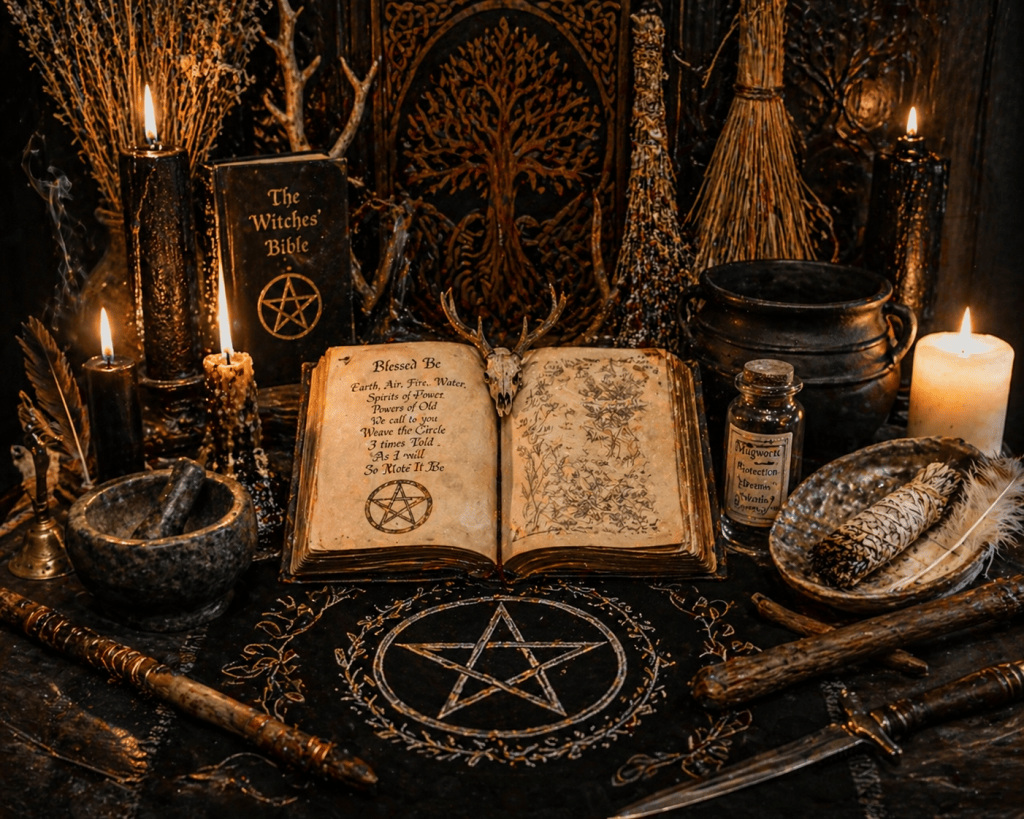
There are moments, in conversation with fellow clergy and initiates, when a simple truth strikes with the force of revelation.
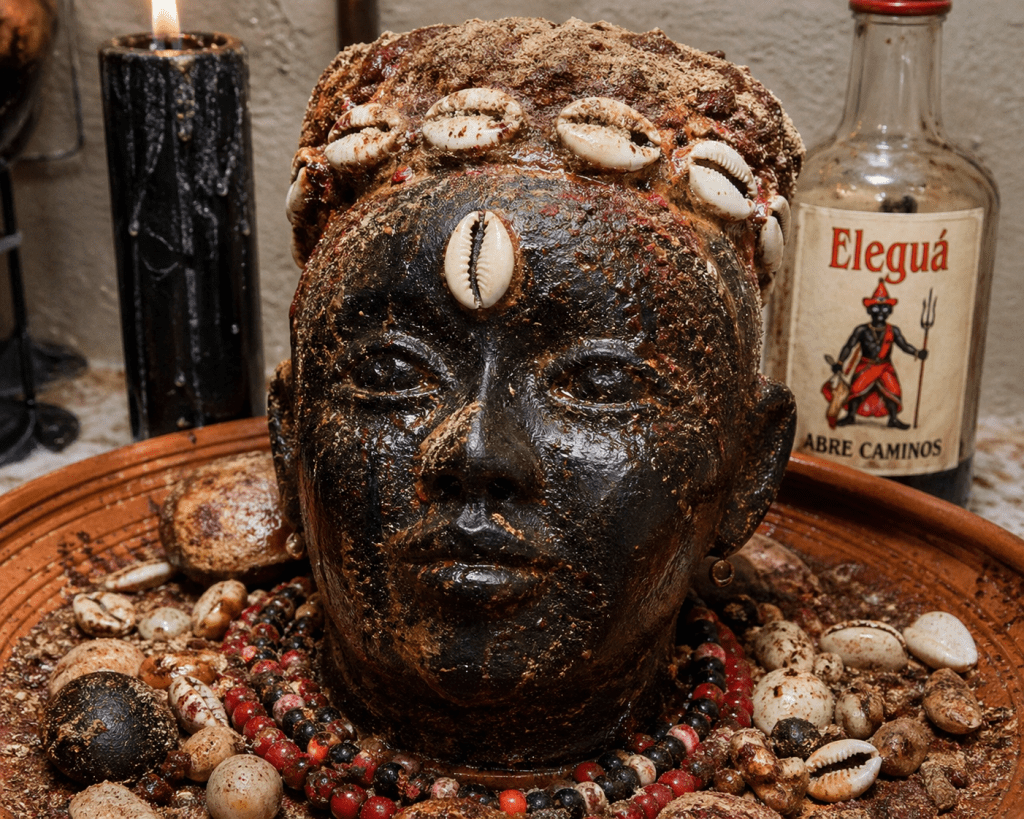
Not long ago, in dialogue with a dear friend (an initiated priestess within the tradition of Santería) I found myself reflecting upon the strange and shifting landscape of modern magick. Though we walk different roads, hers rooted in the mysteries of the Orisha and mine in the lineage of Traditional Witchcraft, we recognized in one another a shared burden: to guard, preserve, and rightly transmit that which is not merely learned but conferred.
She spoke a truth so plain, yet so often ignored: we are living in an age where sacred knowledge is no longer sought, it is dispensed.
In this era, information, fragments of once guarded traditions, is scattered freely across the internet and other forms of media. Ritual structures, divine names, sacred symbols, and priestly functions are lifted from their proper contexts and handed, unfiltered, to the uninitiated. What was once approached with reverence, preparation, and oaths is now consumed casually, often without understanding of origin, structure, or consequence.
And so we, as initiates (those trained, tested, and entrusted) find ourselves in a peculiar position. We are expected to watch in silence as well meaning individuals engage in practices that, while sincere, are fundamentally incorrect. One sees sacred forms reduced to approximation: a crude object named for a deity it does not embody, ritual vessels replaced with whatever lies at hand, and all of it justified under the banner of “personal meaning” and “good intention.”
But intention, though vital, is not a substitute for tradition.
Magickal and religious systems (particularly initiatory ones) are not arbitrary collections of symbols. They are living architectures, carefully constructed over generations. Each element holds a function, a morphic resonance, and a reason for its form. To alter them without understanding is not innovation, it is erosion.
This shift is perhaps most visible in the transformation of metaphysical shops.
There was a time when stepping into an occult shop felt akin to entering a threshold space. The shopkeeper was not merely a cashier, but a gatekeeper, often a practitioner of depth and discipline. One did not simply purchase ritual supplies, one was questioned, guided, and, when necessary, corrected. Knowledge was transmitted alongside materials, ensuring that what was taken into one’s practice was used with purpose and respect.
Today, that model has largely dissolved.
Many so called metaphysical shops have become little more than aesthetic marketplaces, crystals polished for display, curios sold for novelty, and items of genuine ritual importance stripped of their context. The sacred has been repackaged as the decorative. In regions such as my own here in Ohio, true occult supply houses (operated by trained and knowledgeable practitioners) are increasingly rare. To get what I need I must travel, often at length, to find spaces that still honor the old standards.
More perplexing still is the rise of proprietors who lack any rootedness in the traditions they claim to represent. When spaces devoted to the occult are stewarded by those outside its disciplines, one must ask: what is being preserved?
At the heart of this issue lies a deeper cultural ailment.
There is, in our time, a diminishing patience for apprenticeship. The path of devotion (of study, humility, correction, and gradual unfolding) has been replaced, in many cases, by immediacy. Some seek spiritual identity without the labor it requires, others commodify it entirely, becoming merchants of illusion rather than stewards of truth.
It would be easy to cast blame broadly, yet the matter is more nuanced. Within the broader Pagan communities, there remains a strong current of sincerity and reverence. However, the adjacent currents (particularly within certain strands of the New Age movement) have fostered an environment where authority is self declared, and discernment is often lacking (Look up Gene Jackson “The Crystal Guy”).
And so we stand at a crossroads.
Those of us within initiatory traditions must ask ourselves: what is our responsibility in this age? Silence may preserve peace, but it does little to preserve truth. Yet correction, if delivered without care, may alienate those who genuinely seek.
Perhaps the answer lies not in condemnation, but in quiet restoration.
To teach where we are able.
To uphold standards without apology.
To model devotion, discipline, and integrity.
To remain visible as living examples of what it means to walk a path that is not invented, but inherited.
For the Mysteries have never been lost.
They wait, as they always have, for those willing to approach them not as consumers, but as initiates in the making.


Leave a Reply